
If you want to read and output the text from a JSON file, you can do that in many ways. Let's take a look at some of them.
Option 1: Using cat command
# cat data.json

{
  "city": "New York",
  "forecast": [
    { "date": "2023-08-18", "temp": 78 },
    { "date": "2023-08-19", "temp": 82 },
    { "date": "2023-08-20", "temp": 75 },
    { "date": "2023-08-21", "temp": 70 },
    { "date": "2023-08-22", "temp": 73 }
  ]
}
Option 2: Using head command
If you want to read and display only x number of files from the top of the JSON file.
# head -n 5 data.json

{
  "city": "New York",
  "forecast": [
    { "date": "2023-08-18", "temp": 78 },
    { "date": "2023-08-19", "temp": 82 },
Option 3: Using tail command
If you want to read and display only x number of files from the bottom of the JSON file.
# tail -n 5 data.json

    { "date": "2023-08-20", "temp": 75 },
    { "date": "2023-08-21", "temp": 70 },
    { "date": "2023-08-22", "temp": 73 }
  ]
}

If you want to read and parse or manipulate a JSON file, then you should make use of the jq binary.
Make sure to install jq package
apt install jqExample: Parsing and Manipulating JSON file
-
Display the name of the city from the JSON file:
# jq '.city' data.json

"New York"
-
Display the temp for each day:
# jq '.forecast[].temp' data.json

78
82
75
70
73-
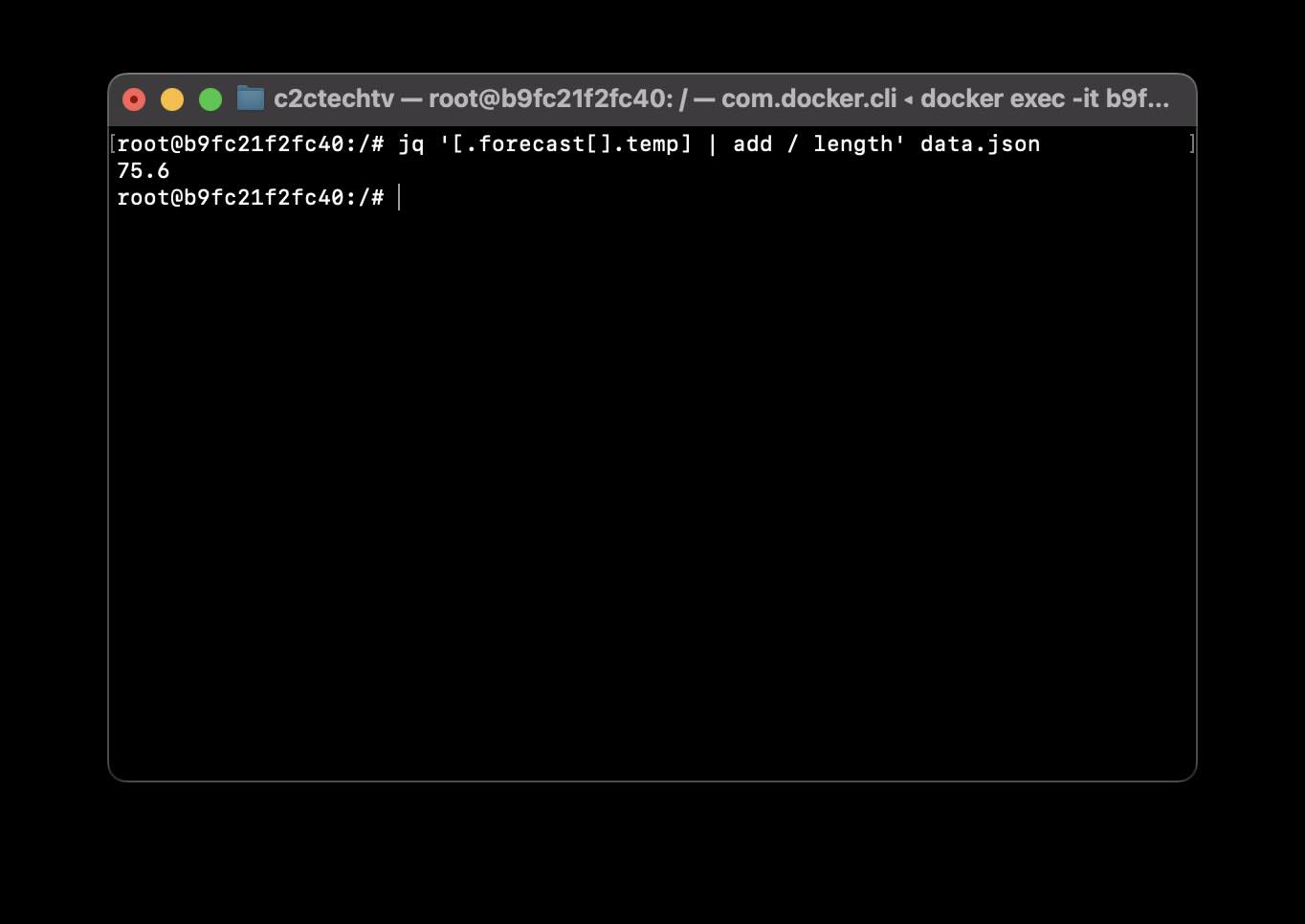
Calculate average temp from JSON:
# jq '[.forecast[].temp] | add / length' data.json

75.6
Provide Feedback For This Article
We take your feedback seriously and use it to improve our content. Thank you for helping us serve you better!
😊 Thanks for your time, your feedback has been registered!
Comments & Discussion
Facing issues? Have questions? Post them here! We're happy to help!